
Insights
SHARE
There was a time when the red carpet served a relatively simple purpose.
It marked the entrance to something bigger: a film premiere, awards ceremony, fashion show or cultural event. Guests arrived, photographers captured the obligatory shots and attention moved swiftly inside.
Now, the arrival can command as much attention as the event itself.
Outfits are revealed in carefully planned stages. Interviews are clipped and shared before the first guest has taken their seat. Memes, reactions and “best dressed” lists appear in real time. Brands are tagged, designers are identified and individual moments travel across social platforms within minutes.
For many people watching from home, the red carpet is not the build-up to the entertainment.
It is the entertainment.
From entrance to global content studio
The modern red carpet is less like a walkway and more like a live content ecosystem.
Every part of it can generate a different media asset. One arrival can produce a polished press photograph, live interview, slow-motion fashion shot, celebrity interaction and behind-the-scenes social clip. These are then distributed by entertainment outlets, fashion publications, brand channels, creators and fan communities.
Crucially, audiences do not need to be interested in the original event to engage.
Someone who has no intention of watching a film may still share an actor’s outfit from its premiere. A person who never follows an awards ceremony may watch a red-carpet interview, comment on a celebrity interaction or save a beauty look for inspiration.
The arrival creates its own entry points into the cultural conversation.
That gives it a reach the main event cannot always match. A film screening remains largely private. An awards ceremony may sit behind a broadcast subscription or take several hours to watch. The red carpet, by contrast, is highly visual, immediately understandable and designed to be consumed in seconds.
It is built for the way modern audiences discover and share culture.
When the arrival extends the story
Fashion has played a significant role in this evolution.
What someone wears to a major premiere is rarely an incidental detail. A look might reference the film, pay tribute to a character or draw from an archive. Increasingly, it is expected to have a story of its own.
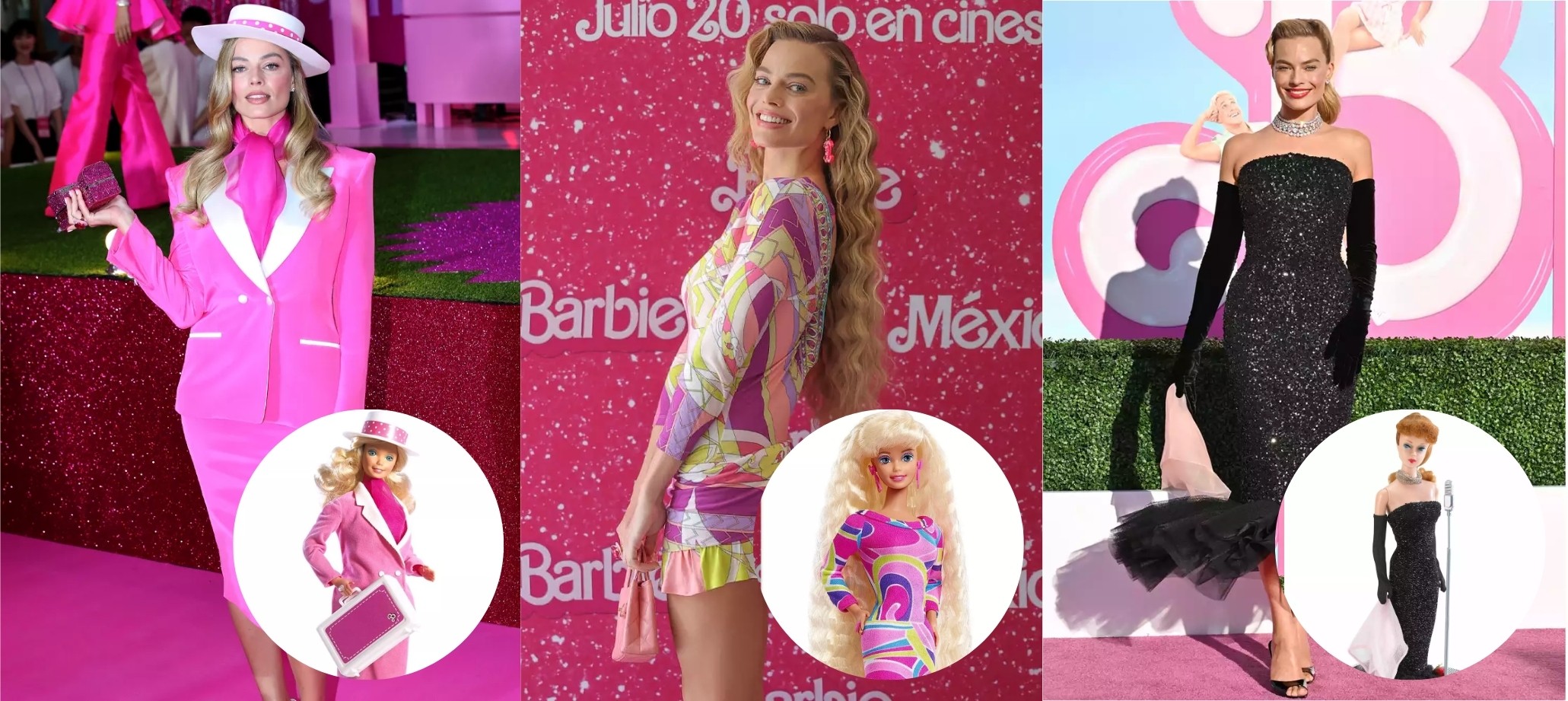
The Barbie press tour demonstrated the impact of this approach. Margot Robbie’s looks repeatedly referenced Barbie dolls from different eras, turning each appearance into another extension of the film’s visual world. The outfits generated fashion coverage and social conversation independently while continuing to reinforce the wider campaign.
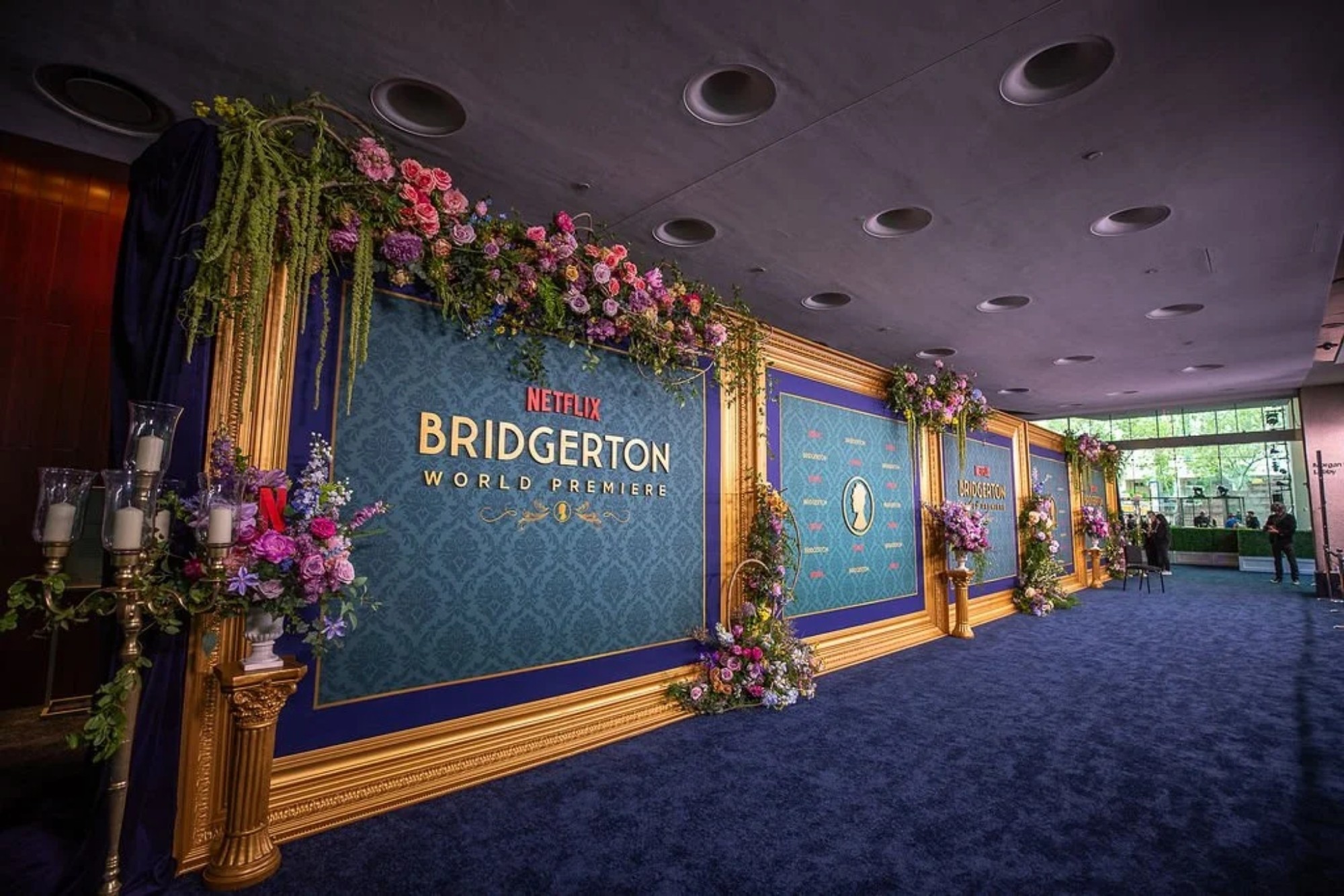
Netflix has used similar thinking for premieres such as Bridgerton, Stranger Things and Wednesday, where the arrival environment, styling and content capture draw heavily from each title’s visual identity. Rather than simply attending a screening, guests appear to step inside a recognisable world.
In these cases, the arrival becomes episodic content in itself. Each location, look and arrival offers a new expression of the campaign.
Where the audience enters the story
Livestreams, creator coverage and social commentary allow audiences to experience an arrival as it unfolds. People assess each look, capture screenshots, create edits and share their own interpretations before the event has officially begun.
Fans are not simply receiving the content. They are helping to package and distribute it.
This changes the role of the event producer. It is no longer enough to consider what will impress someone standing at the venue. The experience must also work through a vertical screen, in a cropped photograph and as a short clip viewed without the context of the wider event.
A beautiful environment can disappear online if it has not been designed with content in mind. Equally, a simple physical idea can become culturally significant if it creates a distinctive frame, interaction or reveal that audiences immediately understand.
The question isn’t only, “How will this feel in the room?”
It is also, “What will people see, capture and remember outside it?”
So, has it become more important than the premiere?
Not necessarily - but it may have become more visible, more accessible and more culturally immediate.
The premiere remains the reason people are gathering. It provides the story, talent and sense of occasion that give the arrival its significance. Without that substance, the carpet risks becoming an empty display of famous faces and sponsor logos.
But the relationship between the two has changed.
The red carpet is no longer simply the route into the experience. It is the public-facing expression of it: a stage where entertainment, fashion, fandom and brand storytelling come together.
In an attention economy, that can make the moments before the event begins every bit as valuable as what happens inside.
Perhaps the real opportunity is not to decide whether the carpet or the premiere matters more.
It is to design them as one connected experience - each strengthening the story, reach and influence of the other.


