
Insights
SHARE
For brands, the obvious appeal of a major sporting event is the audience.
The summer of 2026 offered no shortage of it. The FIFA World Cup, NBA Finals, MLB All-Star Week, Wimbledon, Formula 1, Tour de France, US Open, World Athletics - the list goes on.
Millions of people watching. Stadiums full of fans. Social feeds moving at speed. A rare opportunity to enter a genuinely shared cultural moment.
But audience size is only the most visible part of the opportunity. The more interesting part is what sport makes people do.
They travel. They gather. They change their routines. They stay out later. They look for somewhere to watch, celebrate and continue the experience. They spend hours moving between stadiums, fan zones, hospitality spaces and host cities.
This summer’s strongest brand activations did not simply attach themselves to sport. They responded to the temporary behaviours and needs that formed around it.
That is where opportunistic marketing becomes a live experience rather than a sponsorship or social post.
The real opportunity begins when the game stops
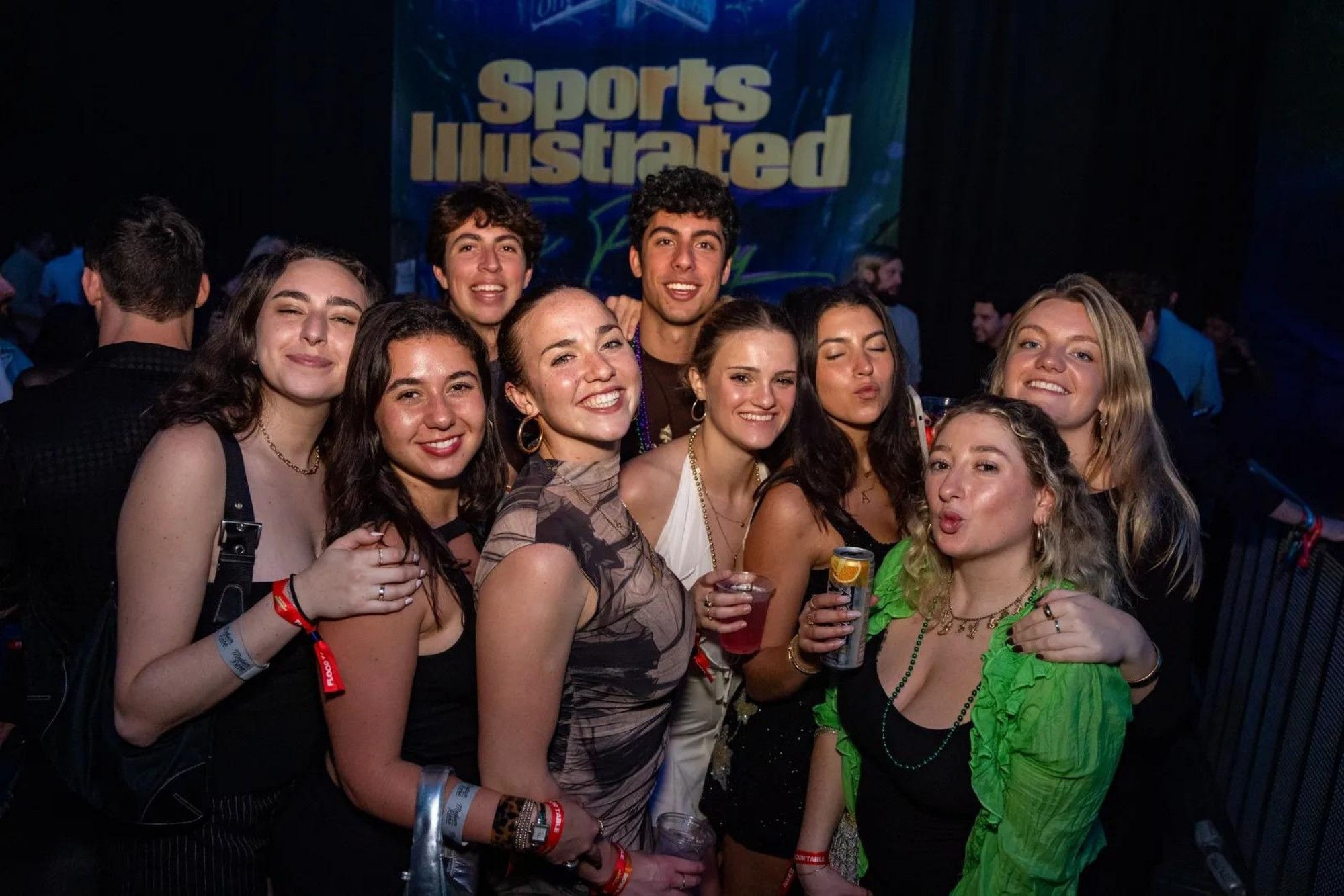
During the 2026 World Cup, Sports Illustrated launched Beyond the Pitch, a series of music and nightlife events across Los Angeles, Dallas, Miami and New York.
The lineup included Nelly, The Chainsmokers, 50 Cent and Diplo - but the smartest part of the idea was not simply booking recognizable talent. It was understanding the role events could play.
Sports Illustrated recognised that thousands of fans would leave matches and screenings with energy, attention and nowhere obvious for that experience to continue. Rather than competing with the football, it created the next destination: a place where the occasion could continue through music, hospitality and nightlife. Associated Press
It is a useful shift in perspective.
Brands often ask how they can appear during an event. A more useful question might be: what does the event cause people to want next?
It could be somewhere to gather before the gates open. Somewhere to celebrate afterwards. An activity between fixtures. A better way to follow the action. An unexpected experience within the host city.
Those moments may sit outside the main event, but they are still part of how people remember it.
Sponsorship gives brands rights, not relevance
The sports sponsorship market is full of brands that have paid to be present but give audiences no particular reason to care.
Rights can secure logos, space, tickets and access. They cannot guarantee a relevant idea.
American Express demonstrates how a long-term partner can move beyond visibility. Across Wimbledon and the US Open, its activations created an open fan experience for the wider audience while reserving additional hospitality and benefits for cardmembers.
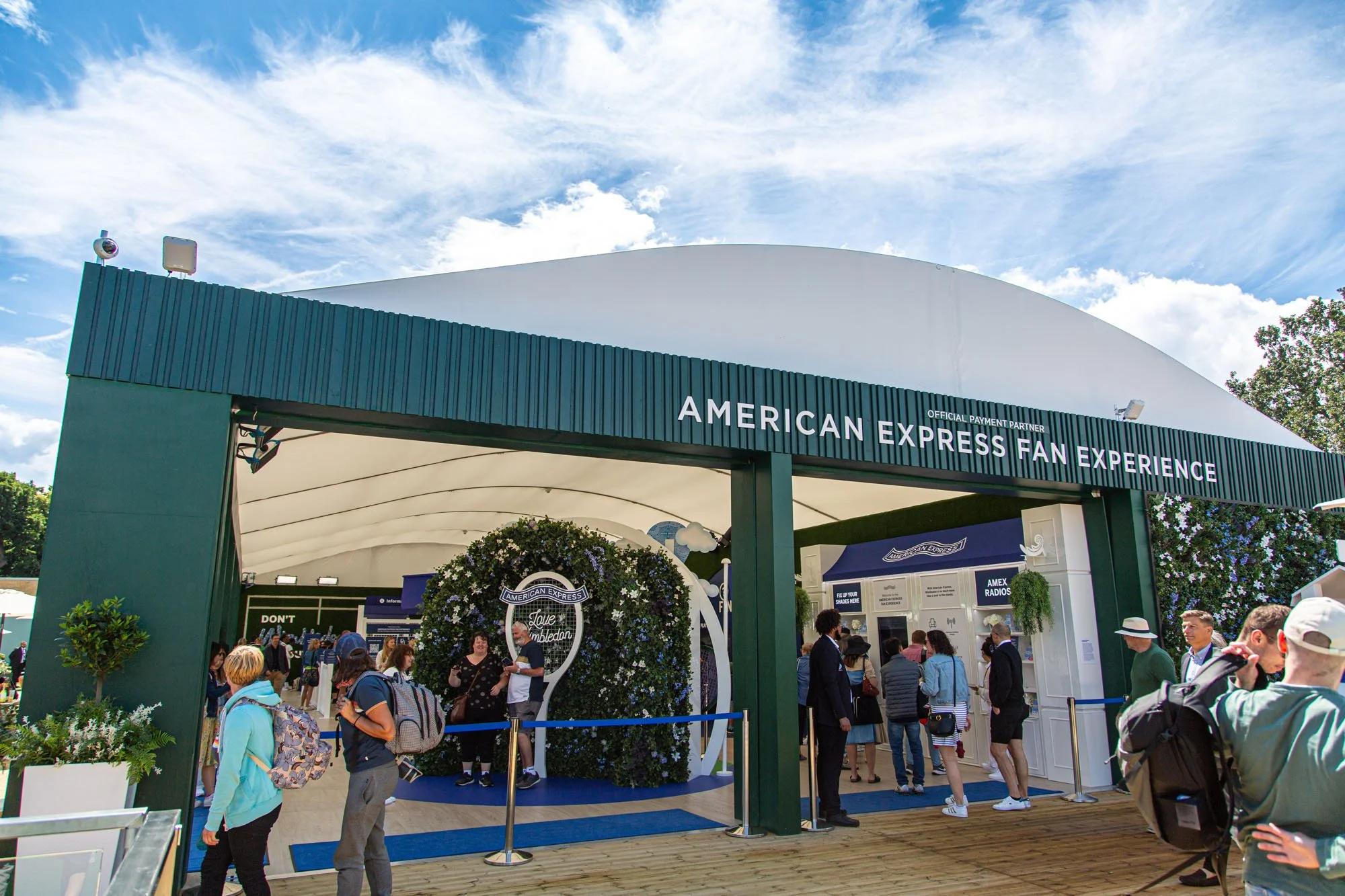
At Wimbledon, the AMEX Fan Experience in the southern village was open-to-all, offering interactive games, photo moments, custom postcards, and custom designed tennis balls and tennis charms
Cardmembers could access the Amex Pavilion overlooking The Hill, featuring complimentary refreshments and soft-serve ice cream, interactive games, a private bar and an elevated viewing platform.
But for the AMEX cardholder - the portable Amex radios were a particularly effective detail. They were not the most technologically ambitious feature, but they addressed a need specific to tennis: spectators moving around a multi-court tournament cannot watch every match. The radios allowed them to stay connected to the commentary and action throughout the day.
At the US Open, American Express sacled the same principle for a New York audience. Its Fan Experience was again open to everyone, allowing visitors to personalise tennis balls, build tennis-inspired phone chains at a dedicated charm bar and play a seven-person rhythm game.
Cardmembers received additional designs and access to separate hospitality spaces. Inside the Card Member Lounge, guests could customize merchandise, write and send postcards, order a tennis-themed Moët Serve cocktail and escape the grounds for a moment. Platinum and Centurion members could also access wellness facilities and chef-led hospitality. Event Marketer
That is more meaningful than logo visibility alone.
The open activation gives anyone the opportunity to experience the world of Amex. The additional cardmember spaces then demonstrate the value of membership without making the wider audience feel excluded.
The personalised souvenirs also extend the experience beyond the tournament. A tennis ball, charm or postcard becomes a physical reminder of the day, carrying the brand into the memory rather than leaving it behind on a courtside sign. A lesson to never discredit the value of relevant swag.
The strongest activations make the brand useful
Major sporting events may attract global audiences, but live experiences happen in specific places. A World Cup activation in Houston should not feel interchangeable with one in Miami or New York. The venues, communities, music, food and ways people gather are different.
Doordashes “Summer of DashPass” program connected a series of physical and digital experiences across the tournament.
It hosted match parties at bars in New York and Miami, offered VIP areas and member-only access, activated at stadium fan festivals and provided free buses to selected games.
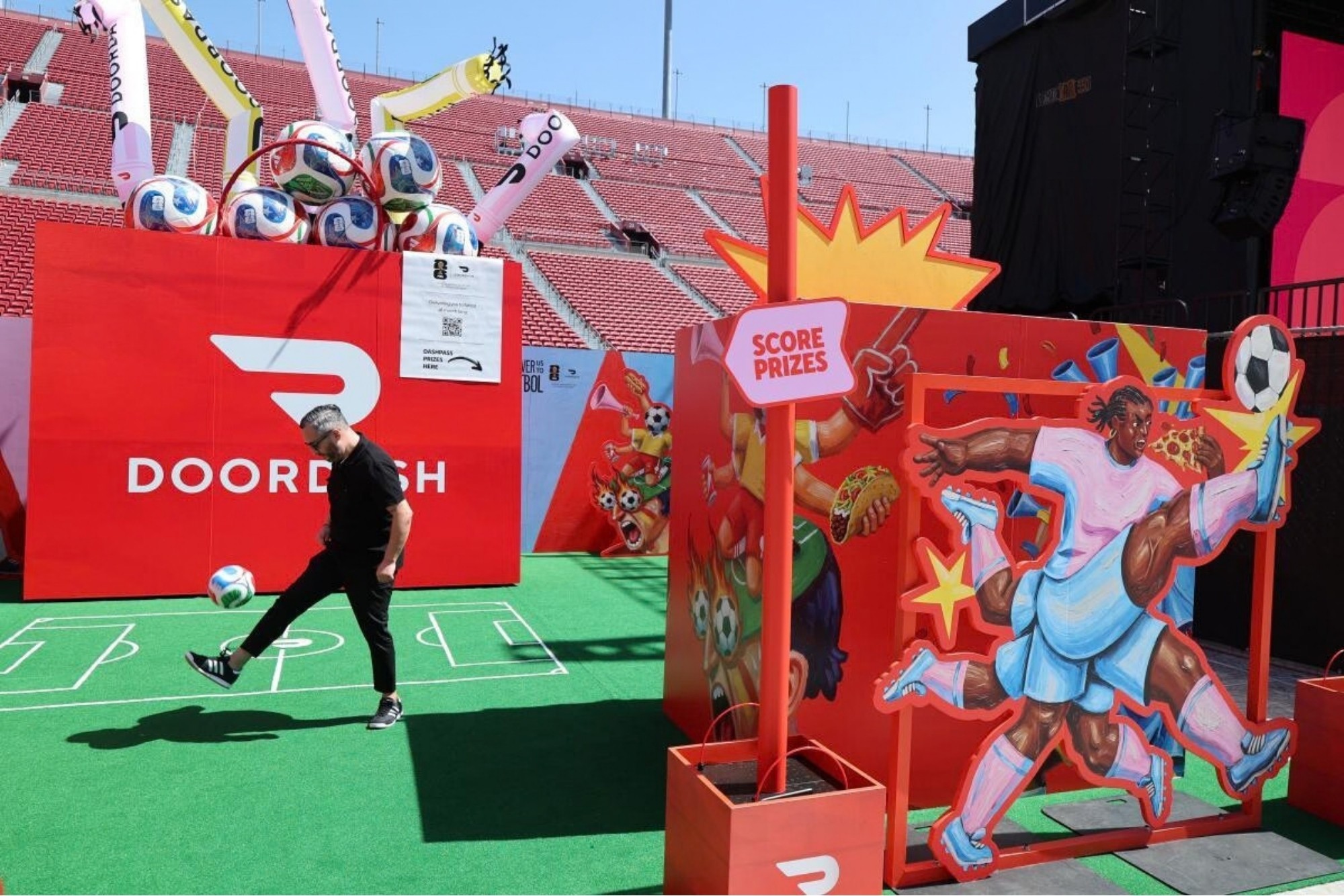
For fans watching from home, DoorDash offered match-day discounts across restaurants, grocery stores and retailers. Fans could win local match tickets, enter for a trip to the Final or predict the tournament winner for a share of $5 million in DoorDash credits. DoorDash, Event Marketer
Individually, none of these ideas reinvented the fan experience. Together, they allowed DoorDash to appear at several points within it. The brand could help someone reach a match, find a watch party, access a VIP space or order everything needed for a night in. The experience changed according to how and where each fan was participating.
That made the activation feel connected to what DoorDash already does. The brand did not manufacture an unrelated spectacle and place its logo over it. It used delivery, reservations, local venues and membership benefits to make the tournament easier to experience.
There is an important lesson in that. Brands do not always need to create an entirely new behaviour around an event. Sometimes the better opportunity is to support what audiences are already trying to do.
The experience becomes stronger when the brand is not only visible within it, but genuinely useful to it.
Opportunistic marketing is rarely spontaneous
None of these ideas were improvised after a result.
They were built around behaviours brands could predict: people would want entertainment after matches, spectators would need help navigating a day at the US Open, World Cup audiences would consume culture as well as football, and host cities would want to express their own identities.
That is the paradox of opportunistic marketing. The best opportunities are often planned for.
Brands can identify the spaces likely to emerge around an event before knowing who will win, what will trend or which moment will dominate the conversation. They can prepare the partnerships, permissions, production and flexible creative needed to respond when the opportunity becomes real.
It is less about reacting quickly to sport and more about anticipating what sport will cause.
Look beside the action
The summer sports calendar offers brands a huge audience, but audience alone is not an idea.
The richer opportunity often sits beside the competition: in the journey, the ritual, the waiting, the gathering, the celebration and the local pride surrounding it.
That is where brands can create something people genuinely want and become part of how a moment was experienced - not simply another name displayed around it.
The question is not just, “How can our brand be seen during this event?”
It is: “What experience becomes possible because this event is happening?”
That is where the less predictable - and more memorable - ideas begin.


